Author: sheheen
How Malaffi Integration is Changing Pharmacy Data Exchange in Abu Dhabi
Homecare Software Compliance in UAE: A Complete Guide for Providers
The home healthcare sector in the UAE, particularly in Abu Dhabi, is experiencing rapid growth due to an increasing demand for personalized, at-home medical services. Initiatives like Malaffi, the unified electronic health record (EHR) system, alongside regulatory oversight by the Department of Health (DOH), ensure that patient care remains safe, standardized, and fully documented. These systems not only promote interoperability across hospitals, clinics, and homecare agencies but also support the national goal of delivering high-quality healthcare services across all emirates.
For homecare providers, compliance with these regulations is essential—not just for legal adherence, but also to maintain high standards of patient care, reduce operational risks, and build trust with patients and regulatory authorities. A robust, compliant homecare software system can streamline documentation, enforce secure data handling, and automate critical administrative workflows, making compliance simpler and more reliable.
In this comprehensive guide, we’ll provide an overview of UAE healthcare regulations, highlight key software features that support compliance, and share practical reporting and audit tips. By following these best practices, your homecare organization can stay fully aligned with national requirements while delivering efficient, high-quality care to patients in their homes
Pharmacy POS Software in UAE: How It Improves Billing and Safety
The pharmacy industry in the UAE is rapidly adopting digital technologies to improve efficiency, billing accuracy, and patient safety. With increasing prescription volumes, insurance-based healthcare models, and strict regulatory requirements, pharmacies must operate with advanced digital systems.
Traditional billing systems and manual prescription handling often lead to errors, inventory mismatches, and claim processing delays. To overcome these challenges, many pharmacies are implementing pharmacy POS software to automate daily operations.
Modern pharmacy POS solutions not only streamline billing but also support prescription management, inventory tracking, and compliance with UAE healthcare regulations. Implementing the right software helps pharmacies deliver faster service while ensuring patient safety and operational transparency.
How to Choose the Right Homecare Software in UAE?
The healthcare landscape in the United Arab Emirates is evolving rapidly. Hospitals, clinics, and specialized care providers in cities like Abu Dhabi are increasingly delivering medical services directly to patients’ homes. From elderly care and chronic disease management to post-surgical recovery and rehabilitation, home healthcare has become an essential extension of traditional hospital services.
However, managing homecare services is significantly more complex than traditional in-facility care. Healthcare providers must coordinate caregivers, manage patient documentation, track home visits, process insurance claims, and maintain compliance with strict healthcare regulations set by authorities such as the Department of Health (DOH) in Abu Dhabi and the Dubai Health Authority (DHA). Integrations with systems like Malaffi, Abu Dhabi’s health information exchange platform, are also crucial for seamless access to patient medical records. Manual processes or generic software systems often fail to meet these requirements.
This is where specialized homecare software plays a critical role. Choosing the right platform can improve operational efficiency, ensure regulatory compliance, and enhance the quality of patient care. For healthcare organizations in the UAE, selecting the right solution requires careful evaluation of several key factors.
From Home to Hospital: How UAE Patients Benefit from Homecare Software ?
The healthcare system in the United Arab Emirates is among the most advanced in the Middle East, driven by strong regulatory frameworks and innovative digital health initiatives. Authorities such as the Department of Health (DOH) in Abu Dhabi, the Dubai Health Authority (DHA), and the Ministry of Health and Prevention (MOH) play a crucial role in maintaining high healthcare standards, ensuring patient safety, and promoting quality care. Complementing these regulatory bodies, digital health platforms like Malaffi—the Abu Dhabi Health Information Exchange—enable healthcare providers to securely share patient records across hospitals, clinics, and home care agencies. These systems ensure that patient data is accurate, up-to-date, and securely managed, forming the backbone of efficient and safe healthcare delivery.
For providers offering home healthcare services, integrating with these digital platforms and adhering to regulatory requirements is essential. Homecare software proves invaluable in this context, enabling hospitals, clinics, and homecare agencies to manage patient information seamlessly, coordinate caregivers effectively, streamline workflows, and maintain full regulatory compliance—all while delivering high-quality, patient-centred care in the home setting. Beyond operational efficiency, these platforms also enhance patient satisfaction by ensuring timely visits, consistent care, and accurate medical documentation.
Complete Guide to Pharmacy Management Systems in UAE
The pharmacy industry in the United Arab Emirates is rapidly evolving as healthcare providers adopt digital technologies to improve efficiency, patient safety, and regulatory compliance. With rising prescription volumes, insurance-driven healthcare models, and strict regulations, pharmacies must operate with greater accuracy and transparency.
Traditional pharmacy operations that rely on manual records and basic billing systems are no longer sufficient. Modern pharmacies must manage complex processes such as prescription handling, insurance billing, inventory management, regulatory compliance, and medication safety. As a result, pharmacy management systems have become an essential technology for efficient pharmacy operations.
Healthcare initiatives such as Riayati, Malaffi,Shafafiya, and the pharmaceutical track-and-trace system Tatmeen are accelerating digital transformation in the UAE healthcare ecosystem. Pharmacy management systems help automate workflows, improve medication tracking, simplify billing, and ensure compliance, making them a strategic solution for modern pharmacies aiming to enhance efficiency and patient care.
Homecare Management Software in the UAE: Everything You Need to Know.
Healthcare in the UAE is evolving rapidly, with more patients choosing homecare services for elderly care, post-surgical recovery, chronic disease management, and rehabilitation. This growing demand has made homecare one of the fastest-expanding sectors in the country’s healthcare system.
However, delivering quality homecare goes beyond skilled caregivers. Providers must follow strict regulatory standards, maintain accurate electronic medical records, protect patient data, and ensure proper reporting and operational control.
In Abu Dhabi, homecare agencies must comply with the regulations set by the Department of Health – Abu Dhabi (DOH), which cover licensing, clinical documentation, data privacy, and governance. They are also required to integrate with Malaffi, the official health information exchange platform that securely connects healthcare providers. Across the UAE, integration with Riayati ensures unified national health records and improved care coordination.
Failure to meet these regulatory and digital requirements can result in fines, operational restrictions, or license suspension. Therefore, modern homecare management in the UAE must be compliance-focused, technology-driven, efficient, and always audit-ready to ensure safe, transparent, and high-quality patient care.
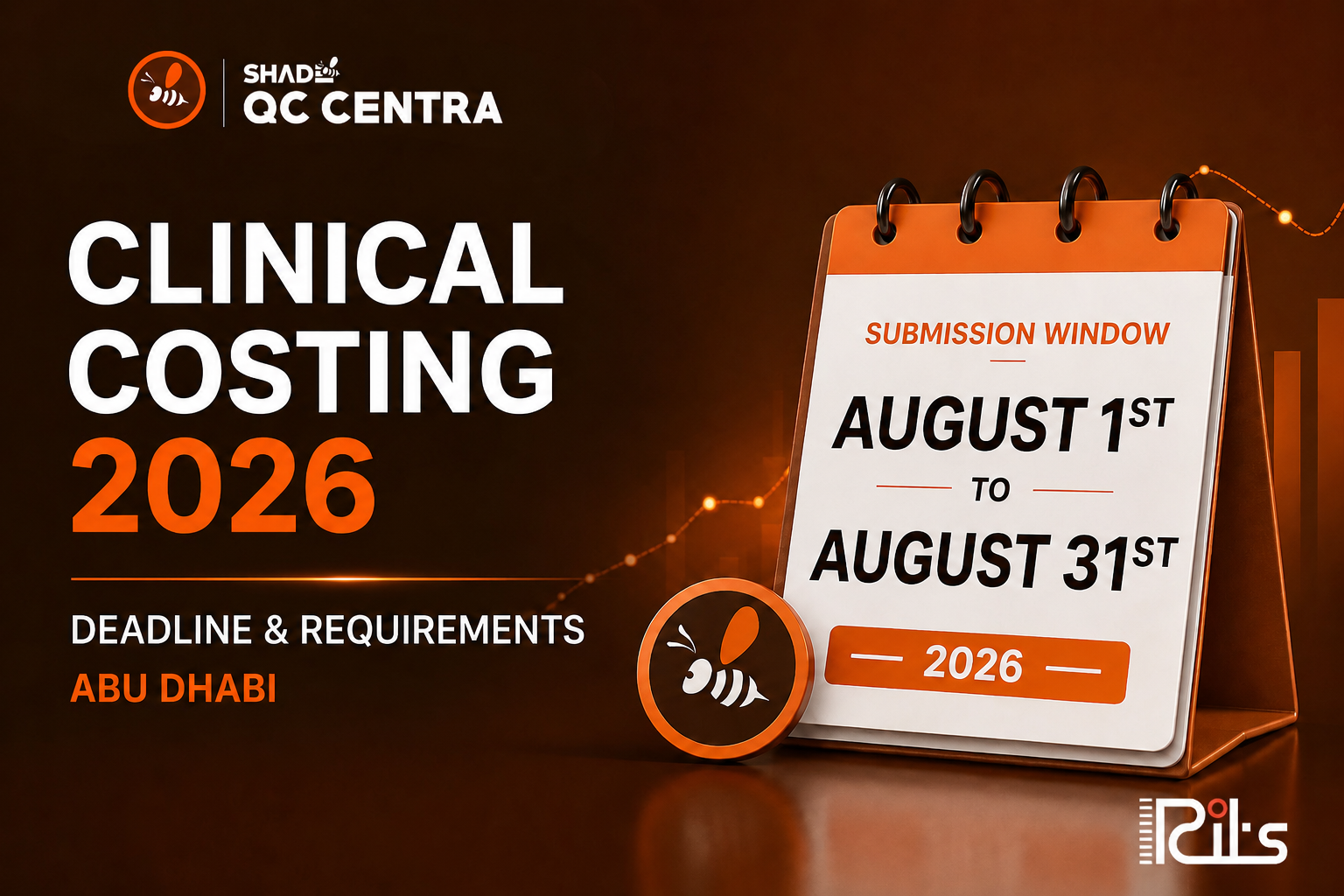
Clinical Costing Compliance in Abu Dhabi: A Practical Guide for Clinics
Healthcare providers in Abu Dhabi are operating within an increasingly structured regulatory environment where financial transparency and cost accountability are no longer optional. Clinical costing has evolved from an internal financial exercise into a governance requirement that supports regulatory oversight, sustainability, and operational clarity.
For clinics, this shift means moving beyond basic revenue tracking and billing reports. Regulators expect structured patient-level costing frameworks that accurately capture, allocate, and document the real cost of delivering care. As expectations continue to mature, clinics must ensure their costing processes are aligned with established frameworks, submission standards, and secure data governance practices.
This guide outlines what clinical costing compliance means in Abu Dhabi, how it fits within the broader healthcare ecosystem, and what clinics must do to maintain structured, audit-ready costing systems.
The Future of Healthcare Clinical Costing in UAE
The healthcare landscape in the United Arab Emirates (UAE) is evolving rapidly. With increasing patient expectations, regulatory oversight, and digital transformation initiatives, healthcare providers must now focus not only on clinical excellence but also on cost transparency and financial sustainability.
In this environment, clinical costing in UAE is becoming a strategic priority—especially in alignment with regulatory bodies like Department of Health – Abu Dhabi (DOH), health information exchange platforms like Malaffi, and data standards frameworks such as Abu Dhabi Healthcare Information and Cyber Security Standard (ADHICS).
For healthcare administrators, CFOs, hospital owners, and policymakers in the UAE, understanding the future of clinical costing is no longer optional—it is essential.
The healthcare landscape in the United Arab Emirates (UAE) is evolving rapidly. With rising patient expectations, stronger regulatory oversight, and nationwide digital transformation initiatives, healthcare providers must now focus not only on clinical excellence but also on cost transparency, operational efficiency, and long-term financial sustainability.
For healthcare administrators, CFOs, hospital owners, and policymakers in the UAE, understanding the future of clinical costing is no longer optional—it is essential for maintaining regulatory compliance, improving resource allocation, and achieving sustainable growth in an increasingly performance-driven healthcare ecosystem.